

Prefer to Listen? Press Play Below
For your convenience, this blogpost is also available as an audio version. Simply click the play button to listen (Duration: ~ 6 min)
Author: Matej Fatur & prof. dr. Luka Juvančič | University of Ljubljana, Biotechnical faculty
Keywords: Circular bioeconomy, biobased innovations, Biopolyurethane, Biofertilizer, Upcycled food.
The following discussion will attempt to provide an answer to the question of what a circular bioeconomy might look like in practice. The ARGONAUT project is predicated on a fundamental yet unassuming notion: that biological resources should be utilised effectively, circulated for as long as possible, and transformed into products that generate value without compromising potential.
The project explores real-world use cases to make the idea concrete. Of these, three use cases are worthy of particular consideration, as they demonstrate the potential of bio-based innovation to impact diverse aspects of daily life, including consumer products, plant nutrition, and food upcycling. Collectively, these use cases demonstrate the potential for the transformation of biological residues and renewable raw materials into valuable, high-end products.
It is possible to utilise residues in the production of materials.

In contrast to the conventional utilisation of biomass as a direct source of raw materials for immediate consumption, ARGONAUT investigates the potential for biomass to be incorporated into long-lasting, functional products that are more seamlessly integrated into circular value chains.
This particular use case of bio-polyurethane is of particular importance as it demonstrates the interconnection between sustainability, design, usability, and market appeal. A product that is bio-based must demonstrate the ability to perform effectively, possess an aesthetically pleasing design, and be integrated into the daily lives of consumers. Should this be the case, it has the potential to facilitate the transition of circular bio-based solutions from research to real adoption.
The utilisation of bio-based solutions for the nutrition of plants
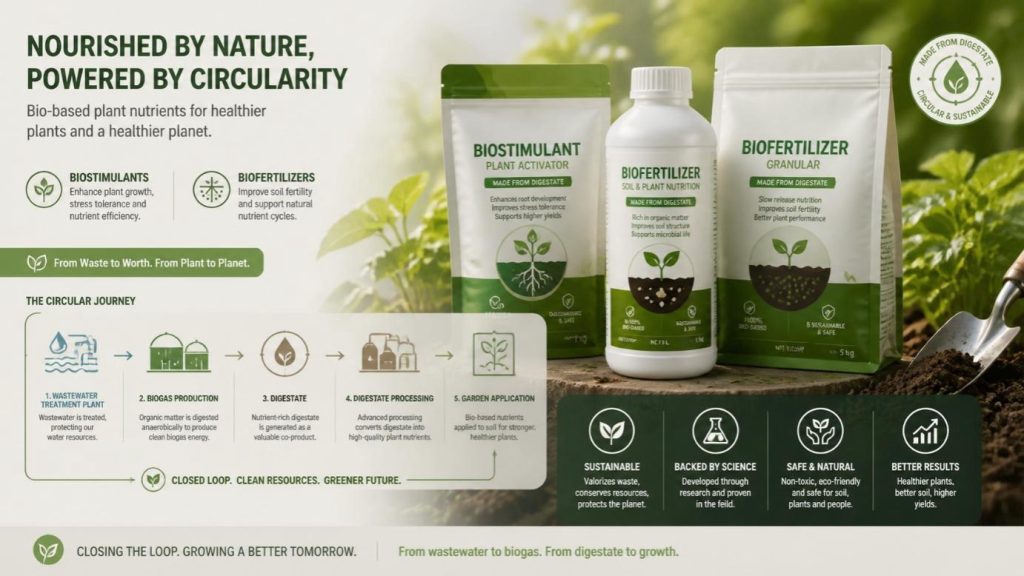
The second use case focuses on bio-based plant nutrients. These include biostimulants and biofertilisers. They are used for gardening needs. They are made from digestate from bio-methane production. This digestate comes from a sewage treatment plant.
This field offers considerable promise due to its capacity to demonstrate the potential for the effective utilisation of residues and biological side streams in a manner that is conducive to agricultural productivity. Rather than resulting in waste, these by-products can contribute to plant growth, enhance soil health, or reduce the necessity for more resource-intensive inputs.
The significance of this use case is readily apparent to those engaged in horticultural practices, namely gardeners and growers. The advantages of this approach are manifold, encompassing enhanced plant performance, healthier soils, and a more sustainable approach to cultivation. For the bioeconomy, the significance is even more pronounced. The utilisation of bio-based plant nutrients has the potential to facilitate the closure of nutrient cycles, thereby reducing reliance on fossil-based or synthetic alternatives. This approach offers tangible benefits for users while contributing to environmental sustainability. In this sense, the use case extends beyond the mere objective of producing a greener and circular product.
Turning food residues into value
The third use case demonstrates the process of converting food residues into valuable products, with a particular focus on upcycled foods such as sauces. This includes food supplements that contain beneficial compounds extracted from plants or food production residues.
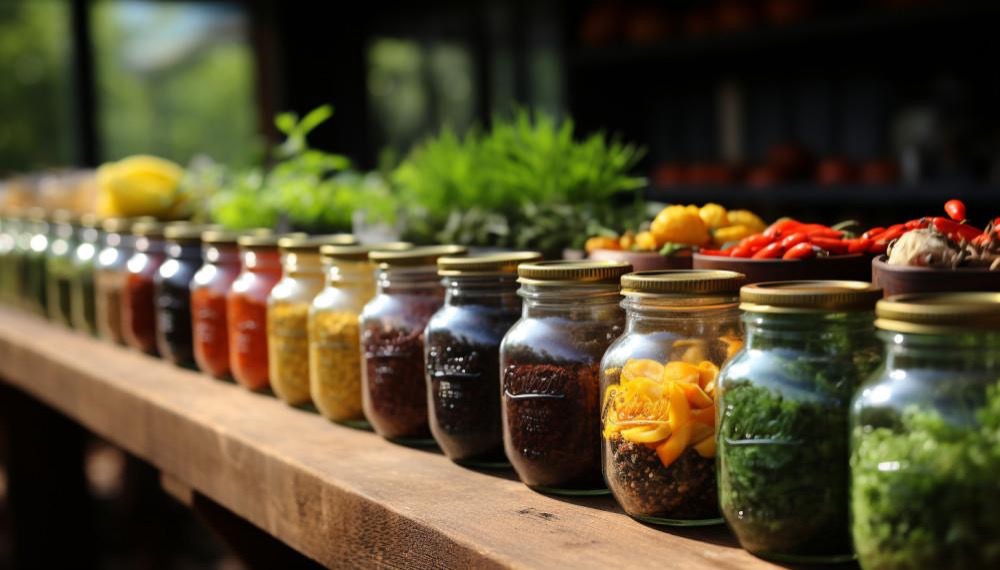
The concept of circularity is especially important at this point. Materials that were previously regarded as low-value by-products have the potential to contain bioactive compounds, fibres, or other useful ingredients with nutritional or functional value. Through careful processing and product development, these residues can be transformed into ingredients that support health and reduce food waste. The concept of upcycled food products serves as a compelling illustration of the manner in which innovation can effectively integrate environmental and economic value. The utilisation of these by-products has been demonstrated to assist in the reduction of pressure on primary resources, whilst simultaneously generating novel market opportunities from side streams that would otherwise remain underutilised.
In addition, this particular use case demonstrates the necessity for careful assessment. The success of a food product derived from upcycling is dependent on its safety and efficacy, as well as its credibility from a sustainability perspective. It is precisely at this juncture that ARGONAUT’s assessment framework proves its worth.
The three use cases also reveal an important lesson: bio-based innovation is most convincing when it is both technically sound and understandable to users. People need to see not only that a product is renewable, but also why it matters, how it works, and what problem it solves.

FREQUENTLY ASKED QUESTIONS | What People Often Ask
- What are the main drivers for the development of bio-based value chains?
The two most important drivers are the potential for feedstock diversification (moving away from fossil resources) and the ability to introduce new functionalities in products.
Find out more about development of the development of bio-based value chains
- What is the value chain of a product?
The Value Chain is a model, originally proposed by Michael Porter, that describes the full range of activities required to bring a product or service from conception through the different phases of production, delivery to final consumers, and final disposal/recycling.
Find out more about the value chain of a product
- What are examples of bio-based products?
Bio-based products are wholly or partly derived from renewable biological resources (biomass), such as plants, algae, animals, or various types of organic waste, and are generally an alternative to petroleum-derived products. Examples include:
Find out more about the bio-based products
