
Prefer to Listen? Press Play Below
For your convenience, this blogpost is also available as an audio version. Simply click the play button to listen. (AI-voiced narration. Duration: ~ 5 min)
Author: Urtė Raubytė| Project manager at Agrifood Lithuania DIH
Lithuania has a long tradition of making the most of what nature provides. Across the country’s food sector, particularly among fruit and berry processors, resourcefulness has never been a trend, it has simply been part of everyday production. As sustainability and circular economy principles become increasingly important across Europe, many Lithuanian producers are discovering that practices they have followed for years are now being recognised as innovative.
This is precisely what makes ARGONAUT’s Lithuanian use case so relevant.
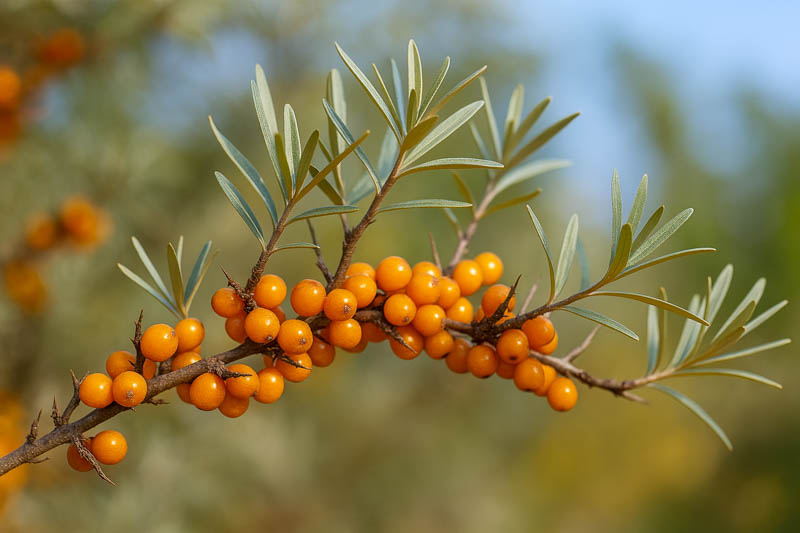
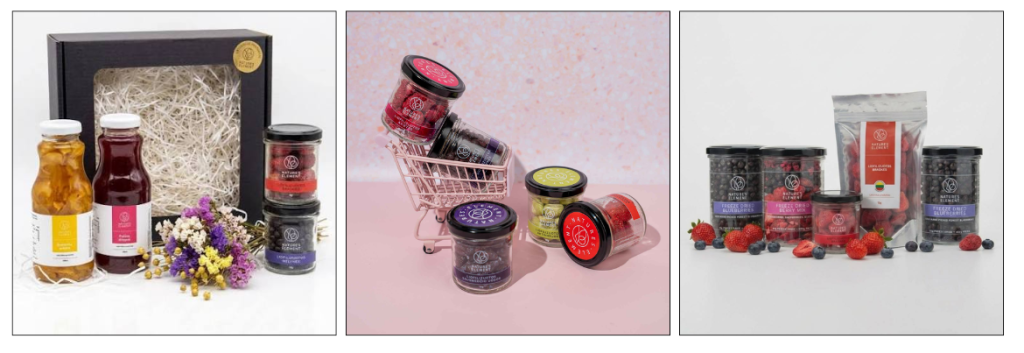
The project follows the production chain of UAB Mėlynė, operating under the brand Nature’s Element, a berry processor based in Babtai that collaborates with the Lithuanian Research Centre for Agriculture and Forestry. Rather than focusing on a single product, the company has developed a production model where every stage creates an opportunity for additional value. Sea buckthorn, a berry well known in Lithuania for its exceptional nutritional properties, serves as the starting point, but not the end of the story. Materials that might traditionally be treated as processing residues can instead be transformed into ingredients for new food, cosmetic or other bio-based products, extending the value of each harvest while reducing waste.
For Lithuanian food producers, ARGONAUT represents more than a new reporting tool. It provides a way to document practices that have often gone unnoticed despite delivering real environmental and economic benefits. As consumer expectations, sustainability legislation and international markets increasingly demand greater transparency, being able to verify circular production may become just as valuable as the products themselves.
As Lithuania continues to strengthen its bioeconomy, examples like Nature’s Element demonstrate that circularity is not a distant ambition but a practical opportunity already taking shape. By combining long-standing production knowledge with digital tools and transparent sustainability data, producers can create greater value from existing resources while strengthening their position in an increasingly sustainability-driven market.

FREQUENTLY ASKED QUESTIONS | What People Often Ask
- What are the main drivers for the development of bio-based value chains?
The two most important drivers are the potential for feedstock diversification (moving away from fossil resources) and the ability to introduce new functionalities in products.
Find out more about development of the development of bio-based value chains
- What is the value chain of a product?
The Value Chain is a model, originally proposed by Michael Porter, that describes the full range of activities required to bring a product or service from conception through the different phases of production, delivery to final consumers, and final disposal/recycling.
Find out more about the value chain of a product
- What are examples of bio-based products?
Bio-based products are wholly or partly derived from renewable biological resources (biomass), such as plants, algae, animals, or various types of organic waste, and are generally an alternative to petroleum-derived products. Examples include:
Find out more about the bio-based products
